

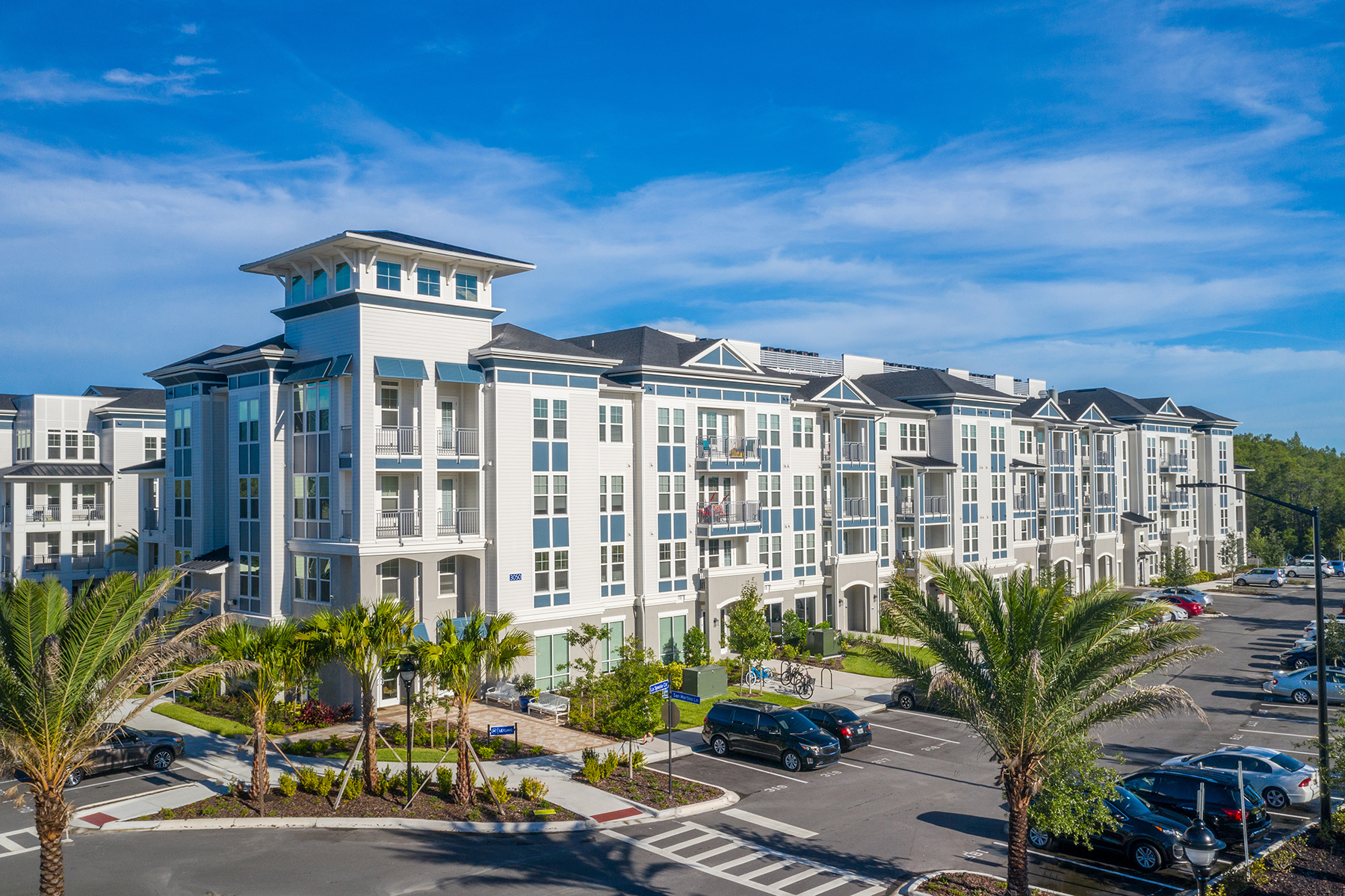
As we step into 2025, it’s a great time to reflect on the current state of the multifamily real estate market, particularly Class A properties in the Southeast, and to look ahead at what the next two years might hold. Over the past several years, we’ve seen a significant increase in new multifamily construction, resulting in a temporary oversupply in many markets. However, the tide is turning, and the future looks bright for owners and investors in this space.
The Construction Slowdown and Its Implications
Recent trends indicate that the construction pipeline for Class A multifamily properties is slowing down. Data from The Real Deal highlights that the volume of new deliveries in 2025 and 2026 is expected to taper off compared to the peak levels we’ve seen over the past few years. This deceleration is already having an impact, as markets with higher levels of new supply are beginning to see the excess inventory absorbed.
In key Southeastern markets, where population and job growth remain strong, this shift is particularly important. For example, areas like Charlotte, Raleigh, Atlanta, and Tampa have experienced a boom in new construction, with a substantial number of units delivered between 2022 and 2024. Initially, this surge created a more competitive leasing environment, but as supply levels moderate, demand is catching up. Occupancy rates are stabilizing, and owners are finding themselves in a stronger position to implement rent growth strategies in the near future.
Demand Drivers in the Southeast
The Southeast continues to benefit from a combination of favorable economic and demographic trends that underpin demand for multifamily housing. Cities in this region have long been magnets for population growth, with people drawn to the affordable cost of living, business-friendly environments, and warm climate. Additionally, many Southeastern metros have become hubs for industries such as technology, healthcare, and logistics, bringing a steady influx of well-paid professionals who often seek high-quality rental housing.
Class A properties, in particular, are positioned to thrive in this environment. These communities typically offer the amenities and conveniences that today’s renters prioritize, from fitness centers and coworking spaces to resort-style pools and pet-friendly features. With the rise of remote and hybrid work models, renters increasingly value properties that enhance their quality of life. This demand ensures that Class A properties remain a sought-after asset class, even as the broader market adjusts to changes in supply.
Why the Future Looks Bright
Looking ahead to 2025 and 2026, the outlook for Class A multifamily in the Southeast is overwhelmingly positive. As new supply slows and existing inventory is absorbed, we anticipate steady occupancy gains and a return to more robust rent growth. This environment is especially promising for passive investors, as it sets the stage for strong performance metrics and potential upside in property valuations.
Importantly, the Southeast’s resilience during economic cycles further bolsters confidence in its multifamily sector. The region’s ongoing growth in population and employment serves as a cushion against broader economic uncertainties. While other parts of the country may face challenges in balancing supply and demand, the Southeast remains a beacon of stability and opportunity.
Strategic Considerations for Investors
For passive investors, this market dynamic presents an opportunity for Class A multifamily property values to improve. The key to success in this environment lies in targeting markets with strong economic fundamentals, manageable supply pipelines, and growing demand for high-quality housing.
In Conclusion
While the Southeast has seen a wave of new construction in recent years, the market is entering a phase of renewed balance. With supply moderating and demand remaining strong, 2025 and 2026 are shaping up to be promising years for Class A multifamily investments. We’ll continue to monitor the market closely and provide insights that can help us all make better informed decisions.
